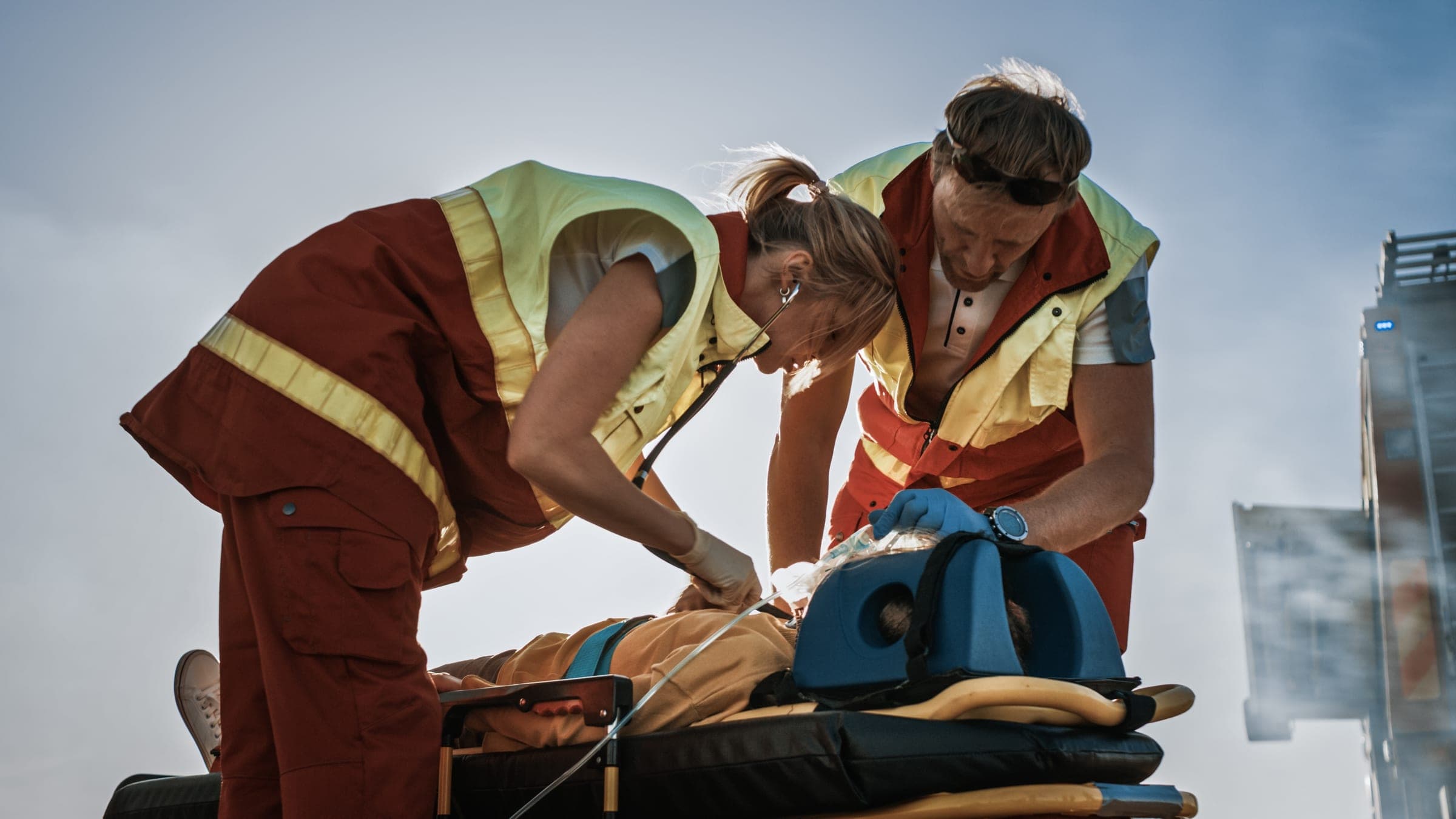
Citizens
Stop, secure, call.
- Save 112, 108 and 1033 in your phone
- Learn bleeding control and the recovery position
- Know your Good Samaritan rights

After a serious crash, the care a victim gets in the first hour matters more than anything that follows. Indian law defines the golden hour, protects bystanders who help and funds cashless treatment — here is what every citizen and responder should know.
The Motor Vehicles Act defines the golden hour as “the time period lasting one hour following a traumatic injury during which there is highest likelihood of preventing death by providing prompt medical care” (Section 2(12A)). The Law Commission of India's 201st Report noted that doctors say at least 50% of fatalities could be averted if victims reach hospital within that first hour.
Section 134A protects Good Samaritans from civil and criminal liability. The Cashless Treatment of Road Accident Victims Scheme (May 2025) covers up to ₹1.5 lakh per victim for up to 7 days at designated hospitals, and was launched nationally as PM RAHAT in February 2026, linked to the 112 helpline.
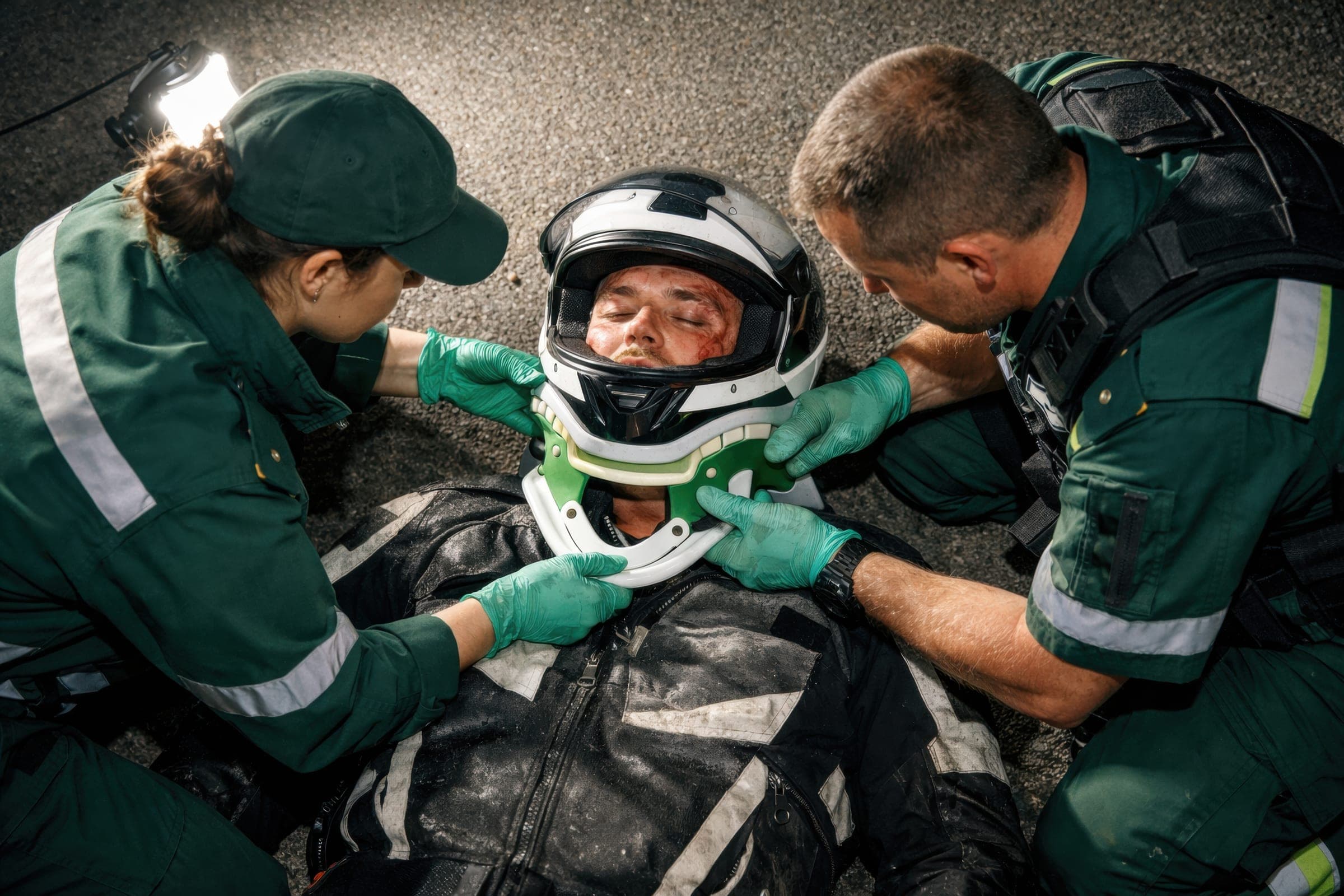
Keep it on
Don't remove a rider's helmet unless their airway is blocked
Four links, in order. Anyone can do the first three — no medical training needed.
Switch on hazard lights, place a warning triangle and stay out of traffic. Don't become the second victim.
Dial 112 or 108 (1033 on National Highways). Give the exact location — a landmark, kilometre stone or map pin — and the number of injured.
Press firmly on bleeding wounds. If unconscious but breathing, turn them on their side, keeping the head and neck in line.
Paramedics stabilise and transport. If no ambulance can come, move the victim carefully to the nearest hospital that can treat trauma.
First minutes
Make the scene safe, check who is conscious and call 112.
Before help arrives
Control bleeding with firm pressure, keep the airway open and don't move the neck unless there's danger of fire or traffic.
Ambulance on scene
Paramedics give oxygen, immobilise the spine and alert the receiving hospital.
Within the hour
The trauma team takes over. Treatment up to ₹1.5 lakh is cashless at designated hospitals.
SaveLIFE Foundation's study of bystanders in seven cities (fieldwork 2013) found most would not help — mainly for fear of police and hospital hassle. The Good Samaritan law was written to fix this.
The law now removes these fearsGood Samaritan guidelines (2015) were made binding by the Supreme Court in 2016, and Section 134A (2019) shields helpers from civil and criminal liability.
Source: SaveLIFE Foundation — Study on Impediments to Bystander Care in India (2013); SaveLIFE v. Union of India (SC, 30 Mar 2016); MV (Amendment) Act 2019.
SaveLIFE study, 7 cities (2013)
Myth: If I take a victim to hospital, I'll be stuck in a police case.
Fact: Under Section 134A and the Supreme Court-backed guidelines, Good Samaritans can't be held liable, needn't reveal their identity, and being a witness is voluntary.
Myth: The hospital will make me pay first.
Fact: Hospitals cannot detain a Good Samaritan or demand payment. Crash victims are covered by cashless treatment of up to ₹1.5 lakh.
Myth: Never move an injured person.
Fact: Don't move them without reason — but do move them away from fire or traffic, keeping the head and neck in line.
Myth: Pull off the rider's helmet so they can breathe.
Fact: Leave the helmet on — it protects the neck and spine. Remove it only if the airway is blocked or they are vomiting.
Stop, secure, call.
Close the gap between crash and care.
Make the law work on the ground.
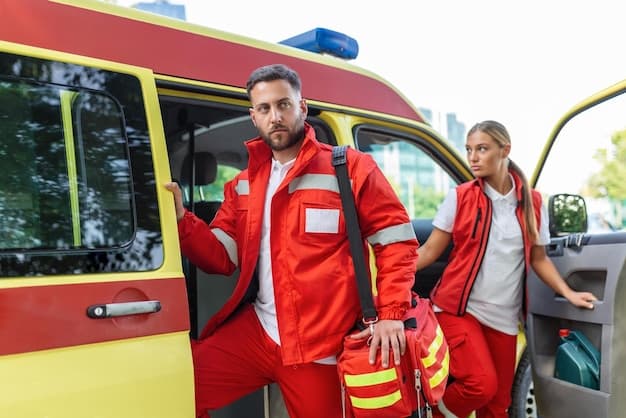
Up to ₹1.5 lakh of treatment for up to 7 days at designated hospitals — read how the 2025 scheme (now PM RAHAT) works.
Figures on this page come from these public sources (checked September 2026).